
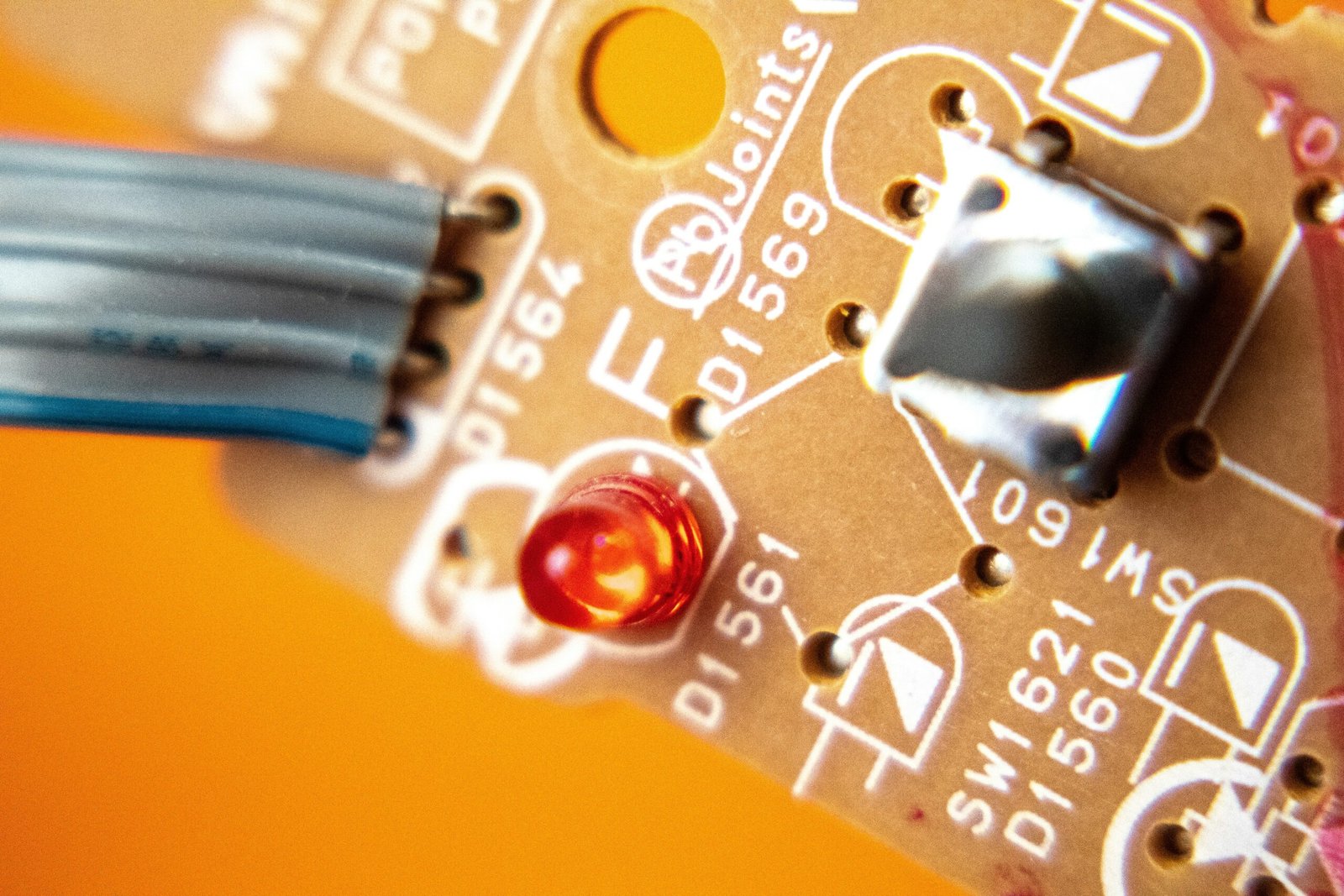
https://unsplash.com/photos/silver-and-black-circuit-board-k_YLyRBmgo4
In a world where skills evolve rapidly, free online courses offer a powerful entry point into new fields without financial risk. For aspiring electricians, hobbyists, or professionals seeking continuing education, there are reputable free resources that cover fundamentals, safety, and practical techniques. This article highlights reputable sources for free online electrical courses, what to expect, and how to make the most of these learning opportunities.
Where to Find Free Electrical Courses
- Platform-Based Courses
- Major MOOC platforms often offer free audit options for courses on electricity, electronics, and related fields. Examples include:
- Coursera: Audit mode allows access to lecture videos and some readings for many courses; certificates usually require a fee.
- edX: Free access to course materials is common; verified certificates and instructor-led sessions may have costs.
- Alison: Focuses on free diploma and certificate courses across electronics, electrical engineering basics, and safety.
- What to expect: Structured modules, quizzes, and hands-on demonstrations. Completion may be flexible, with self-paced timelines.
- Trade and Technical Schools’ Open Resources
- Some community colleges and technical institutes publish free introductory modules or lecture series on electricity, circuits, and electrical safety.
- What to expect: Practical demonstrations, safety guidelines, and foundational theory aligned with industry standards.
- YouTube and Creator-Led Channels
- Reputable channels offer free, high-quality tutorials on electrical concepts, wiring basics, code compliance, and tool usage.
- What to expect: Visual, step-by-step instructions, equipment demonstrations, and safety best practices. Verify credentials and cross-check with official codes.
- Government and Non-Profit Resources
- National safety councils, energy commissions, and workforce development programs frequently host free courses or training modules.
- What to expect: Emphasis on safety standards (e.g., electrical code basics, lockout-tagout practices), consumer rights, and career pathways.
Key Topics Covered in Free Electrical Courses
- Electrical fundamentals: Ohm’s law, circuits, voltage, current, resistance, and power calculations.
- Safety and codes: Electrical safety practices, PPE, arc flash awareness, and an overview of local and national electrical codes.
- Wiring basics: Understanding conduits, wiring methods, and basic installation concepts (for informational purposes; not a substitute for licensed instruction).
- Tools and equipment: Multimeters, clamps, and basic test equipment—how to use them correctly.
- Renewable energy fundamentals: Basics of solar PV, wind power, and battery storage for a modern electrical system.
- Troubleshooting and diagnostics: Reading schematics, diagnosing common electrical issues, and systematic problem-solving.
Tips to Make the Most of Free Courses
- Define a clear learning goal: Decide whether you want a broad overview, a foundation for licensing prep, or hands-on project skills.
- Verify prerequisites: Some courses assume algebra or basic physics knowledge; start with fundamentals if needed.
- Combine theory with practice: Supplement video lessons with hands-on experiments using safe kits or simulation software.
- Create a study schedule: Treat it like a formal course with weekly goals to maintain momentum.
- Track progress and certifications: Even if free, earning a certificate of completion from reputable platforms can boost your resume; however, confirm recognition for your goals.
Choosing the Right Path
- For aspiring electricians: Prioritize safety, code basics, and practical wiring concepts. Remember that licensing requirements vary by location, and free courses are educational supplements, not substitutes for hands-on apprenticeship or formal licensing courses.
- For DIY enthusiasts: Focus on basic circuits, safety practices, and energy efficiency projects. Emphasis should be on shared knowledge rather than professional installation guidance.
- For professionals seeking upskilling: Look for courses that cover electrical safety standards, energy systems, and emerging technologies like smart grids and solar installations.
What to Watch Out For
- Certification credibility: Free courses rarely lead to industry-recognized licensure. If licensure is your goal, use free courses as preparatory material and enroll in approved programs.
- Quality varies: Not all free content meets safety or code accuracy. Cross-reference with official code manuals and seek content with clear instructor qualifications.
- Scam risks: Avoid courses that demand large upfront payments for supposed “free” content or access to test answers.
About the Author




4 thoughts on “Free Online Courses: Accessible Paths to Online Electrical Courses”