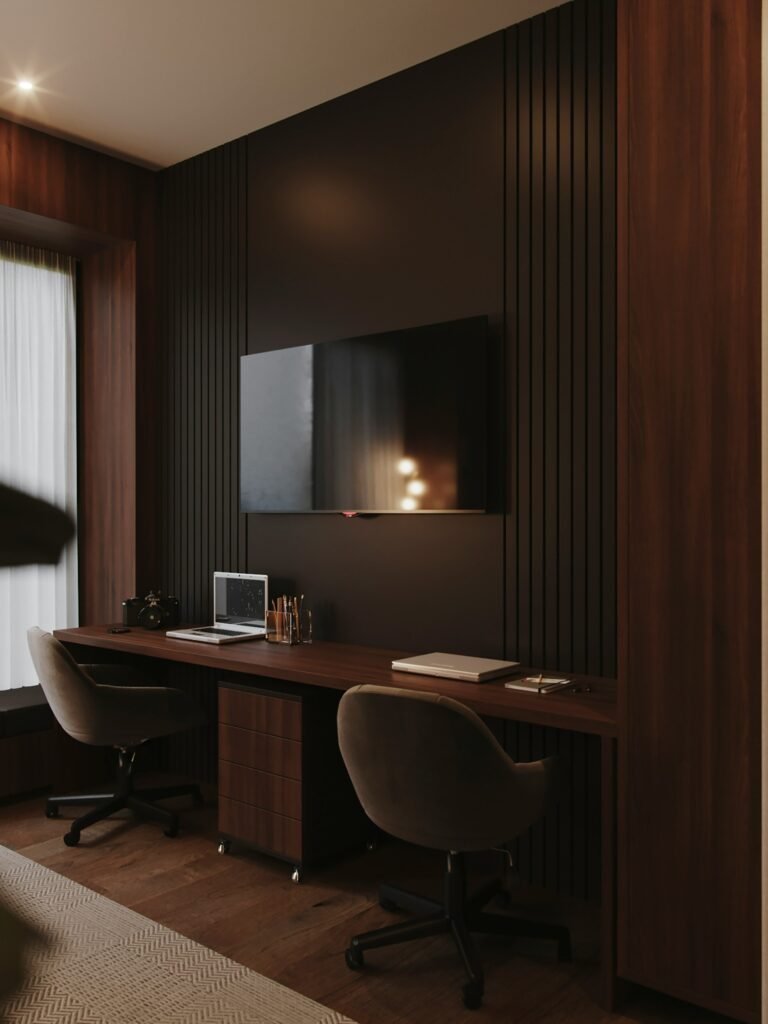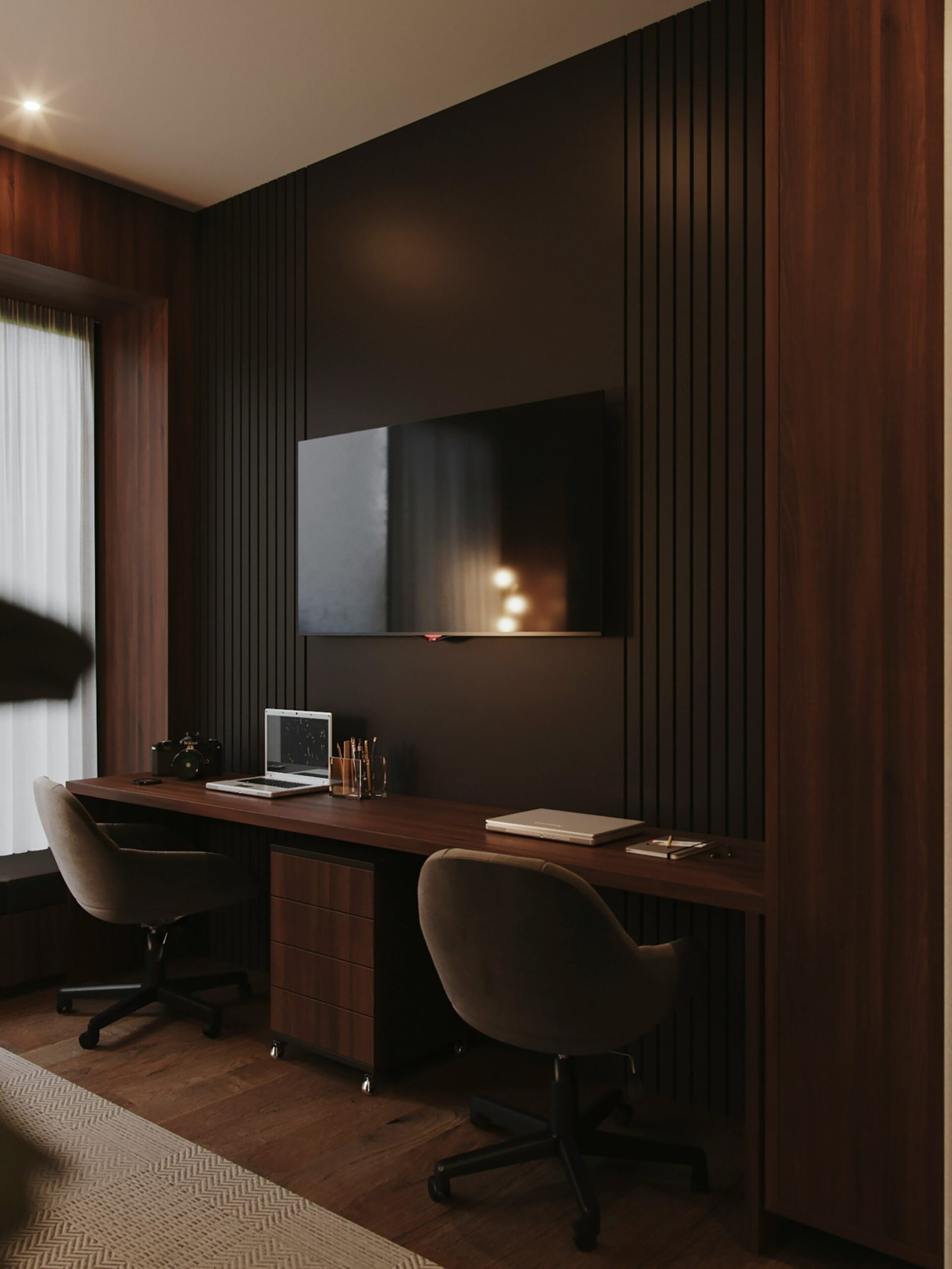
Photo by <a href="https://unsplash.com/@rickmaolly?utm_source=unsplash&utm_medium=referral&utm_content=creditCopyText">Ricardo Magalhães</a> on <a href="https://unsplash.com/photos/a-desk-with-a-computer-on-it-1bcg4xjReTo?utm_source=unsplash&utm_medium=referral&utm_content=creditCopyText">Unsplash</a>
An office interior designer plays a vital role in transforming ordinary workplaces into environments that support productivity, creativity, and well-being. Today’s offices are no longer just rows of desks and chairs; they are dynamic spaces designed to reflect company culture, improve employee experience, and adapt to changing ways of working. Through thoughtful planning and design, office interior designers create spaces where people can perform at their best.
The Role of an Office Interior Designer
An office interior designer is responsible for planning, designing, and managing interior spaces used for work. This role goes far beyond decoration. It involves understanding how people work, how teams interact, and how space can support both individual focus and collaboration.
Understanding Workplace Needs
Every organization functions differently. An office interior designer begins by analyzing workflows, team sizes, job roles, and daily activities. This research helps determine space requirements, such as meeting rooms, private offices, open workstations, and informal collaboration zones. By aligning design decisions with real work patterns, designers ensure that the office supports productivity rather than hindering it.
Balancing Function and Aesthetics
A successful office design balances practical needs with visual appeal. Furniture, layouts, and materials must be durable, ergonomic, and efficient, while also creating a professional and inviting atmosphere. An office that looks good but fails to function properly will quickly frustrate employees, while a purely functional space may feel dull and uninspiring. Designers aim to achieve harmony between these two elements.
Key Elements of Office Interior Design
Office interior designers work with several core elements to shape an effective workspace. Each element influences how employees feel and perform throughout the day.
Space Planning and Layout
Space planning is the foundation of office design. Designers organize the office to ensure smooth movement, logical zoning, and efficient use of available space. Open-plan areas encourage teamwork, while enclosed rooms provide privacy for focused tasks or confidential meetings. A well-planned layout reduces distractions and improves overall workflow.
Ergonomics and Comfort
Employee comfort directly affects performance and health. Office interior designers prioritize ergonomic furniture such as adjustable chairs, sit-stand desks, and properly positioned monitors. These features reduce physical strain, support good posture, and help prevent long-term health issues. Comfortable employees are more focused, engaged, and satisfied at work.
Lighting Design
Lighting has a strong impact on mood and productivity. Designers aim to maximize natural light wherever possible, as it improves energy levels and mental well-being. Artificial lighting is layered using ambient, task, and accent lights to create balanced illumination. Proper lighting reduces eye strain and creates a more pleasant working environment.
The Impact of Color and Materials
Colors and materials play a subtle but powerful role in office interiors. Office interior designers use them strategically to influence behavior and reflect brand identity.
Color Psychology in Offices
Different colors evoke different emotions. Neutral tones create calm and focus, making them suitable for workstations. Blues and greens are often associated with concentration and balance, while warmer colors like yellow or orange can stimulate creativity in collaborative areas. Designers carefully select color palettes to match the purpose of each space.
Material Selection
Materials contribute to both aesthetics and functionality. Durable flooring, acoustic panels, and quality finishes ensure longevity and comfort. Sustainable materials, such as recycled surfaces and low-VOC paints, are increasingly popular, supporting environmental responsibility and healthier indoor air quality.
Branding and Company Culture
An office is a physical representation of a company’s values and culture. Office interior designers translate brand identity into spatial design.
Reflecting Corporate Identity
Through colors, textures, furniture styles, and graphics, designers create environments that communicate what a company stands for. A creative agency may feature bold colors and flexible spaces, while a corporate firm may prefer a more refined and structured look. These design choices help employees feel connected to the organization and leave a strong impression on visitors.
Supporting Employee Experience
Modern office design focuses heavily on employee experience. Breakout areas, lounges, and wellness rooms give employees places to relax and recharge. These spaces encourage informal interaction, reduce stress, and promote a healthier work-life balance within the office.
Flexibility and Modern Work Trends
The way people work has changed, and office interior designers must respond to these shifts.
Adaptable and Hybrid Workspaces
With remote and hybrid work models becoming common, offices need to be flexible. Designers use modular furniture, movable walls, and multi-purpose rooms to allow spaces to adapt easily. This flexibility ensures the office remains functional as team sizes and work patterns evolve.
Technology Integration
Technology is essential in modern workplaces. Office interior designers integrate power solutions, video conferencing systems, and smart controls seamlessly into the design. The goal is to support productivity while keeping the space visually clean and uncluttered.
Conclusion
An office interior designer shapes more than just physical spaces; they shape how people work, interact, and feel each day. By combining functionality, comfort, aesthetics, and brand identity, designers create workplaces that support productivity and well-being. In a world where work continues to evolve, thoughtful office interior design has become a key factor in organizational success.
About the Author