
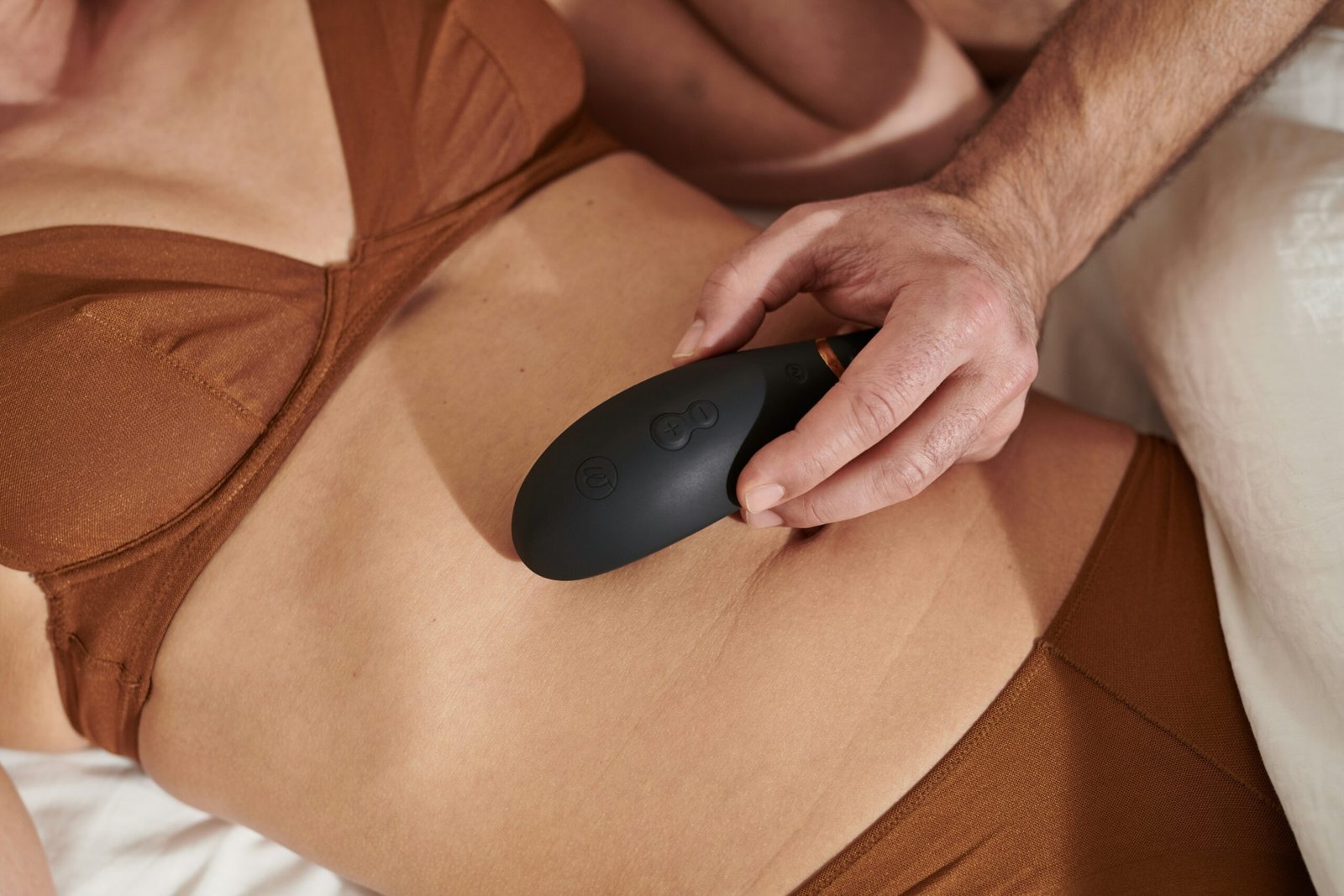
Photo by <a href="https://unsplash.com/@womanizer?utm_source=unsplash&utm_medium=referral&utm_content=creditCopyText">Womanizer Toys</a> on <a href="https://unsplash.com/photos/person-holding-black-logitech-cordless-computer-mouse-4LUVbElX7Is?utm_source=unsplash&utm_medium=referral&utm_content=creditCopyText">Unsplash</a>
Breast pumping has evolved from a clunky, sit-down task to a flexible, on-the-go experience. Wireless wearable breast pumps are at the forefront of this transformation, combining cordless portability with quiet operation, powerful suction, and hands-free design. This article reviews some of the leading wireless wearable pumps on the market, highlighting features, performance, and practical tips to help new parents choose the right model for their needs.
What Makes a Wireless Wearable Pump Different
- Portability: Compact, battery-powered units designed to be worn inside a bra or wearing sleeves, freeing the user to move around.
- Hands-free operation: Double-breast or single-breast setups with discrete tubing and controls for easy use during daily activities.
- Quiet performance: Modern models emphasize low-noise suction to minimize disruption in quiet environments like offices or nurseries.
- Customizable suction: Adjustable pressure settings, cycles, and massaging modes to mimic natural breastfeeding patterns.
- Ease of cleaning: Detachable parts that are simple to wash and assemble, with fewer parts than traditional hospital-grade pumps.
Top Wireless Wearable Breast Pumps (Examples)
Note: Availability and model names may vary by region and over time. The following brands are commonly cited for their wearable pump options:
- Elvie Pump: A compact, fully wearable pump that fits in a standard bra, featuring silent operation, adjustable settings, and smartphone app integration for trackable pumping sessions. Pros include true wireless use and ease of transport; cons may involve higher price and occasional fit considerations.
- Willow Pump (2.0/3.0): A popular hands-free system with breast cups that seal securely and deliver adjustable suction patterns. Known for strong battery life and reliable performance, Willow is designed for discreet use and travel-friendly mobility. Some users may find the external battery pack less convenient.
- Spectra S1/S2 with Wearable Kits: While Spectra is traditionally a hospital-style pump, some wearable adapters or compatible kits allow more mobile use. Spectra pumps are praised for powerful suction and comfortable operation, though the wearable experience might depend on kit compatibility.
- Medela Freestyle Flex (with wearable options): Medela’s compact pumps are well-regarded for efficiency and reliability. Wearable accessories can enhance portability, though direct all-in-one wearable design may vary by kit and configuration.
- Lufthansa/Other Regional Brands: In some regions, brands offer localized wearable solutions with varying battery life and support. It’s worth checking regional reviews and warranty support.
Key Features to Compare
- Battery Life: Look for pumps that offer multiple hours of operation per charge, especially for full-day outings or work days.
- Suction Customization: The ability to adjust single or dual-phase suction, cycle rhythm, and massage settings can affect comfort and output.
- Fit and Comfort: Cup shape, flange sizes, and soft membranes influence comfort during extended pumping sessions.
- App and Data: Mobile apps that log pumping sessions, track output, and remind you to rotate between breasts can be helpful for milk supply management.
- Cleaning and Maintenance: Fewer parts and dishwasher-safe components speed up daily routines and reduce cleaning stress.
- Noise Level: Quieter motors help maintain discretion at work or in public spaces.
Practical Tips for Using Wireless Wearables
- Practice fitting: Before needing to pump, practice attaching cups and securing seals to minimize leaks during real sessions.
- Plan for spills: Carry a small kit with spare flanges, membranes, and cleaning wipes for on-the-go use.
- Rotate and rest: Alternate breasts to maintain milk supply and prevent overuse of a single side.
- Storage and transport: Insulated bags and ice packs help maintain milk safety when transporting expressed milk.
- Travel readiness: Check airline and workplace policies about pumping in public or semi-private spaces.
Pros and Cons
- Pros: Freedom of movement, reduced hands-on time, improved convenience for working parents, and potential for discreet pumping.
- Cons: Higher cost, potential fit variance between bodies, battery management considerations, and occasional reliability issues depending on model and kit.
Conclusion
Wireless wearable breast pumps represent a significant leap in乳 pumping convenience, enabling parents to express milk with greater autonomy and comfort. When choosing a model, consider battery life, fit, noise, and app support. If you’d like, I can tailor recommendations to your needs—whether you’re primarily working, traveling, or seeking the quietest possible option—and help compare specific models based on your region and budget.
About the Author






2 thoughts on “Top Wireless Wearable Breast Pumps: Convenience, Comfort, and Craft”