
Photo by <a href="https://unsplash.com/@vapricot?utm_source=unsplash&utm_medium=referral&utm_content=creditCopyText">Dmitriy Frantsev</a> on <a href="https://unsplash.com/photos/man-in-black-t-shirt-and-black-pants-playing-drum-set-QHOO68nPPxM?utm_source=unsplash&utm_medium=referral&utm_content=creditCopyText">Unsplash</a>
In software and user experience design, Pro Motion focuses on smooth transitions, responsive interactions, and well-timed animations. In addition, it often includes optimized easing curves and balanced motion density.
Why it matters:
Well-designed motion improves perceived performance and helps guide user attention. However, excessive animation can feel distracting if not handled properly.
Practical benefits:
- Faster perceived app performance
- More intuitive navigation
- A polished and engaging user experience
Pro Motion Technology in Cameras
What it is:
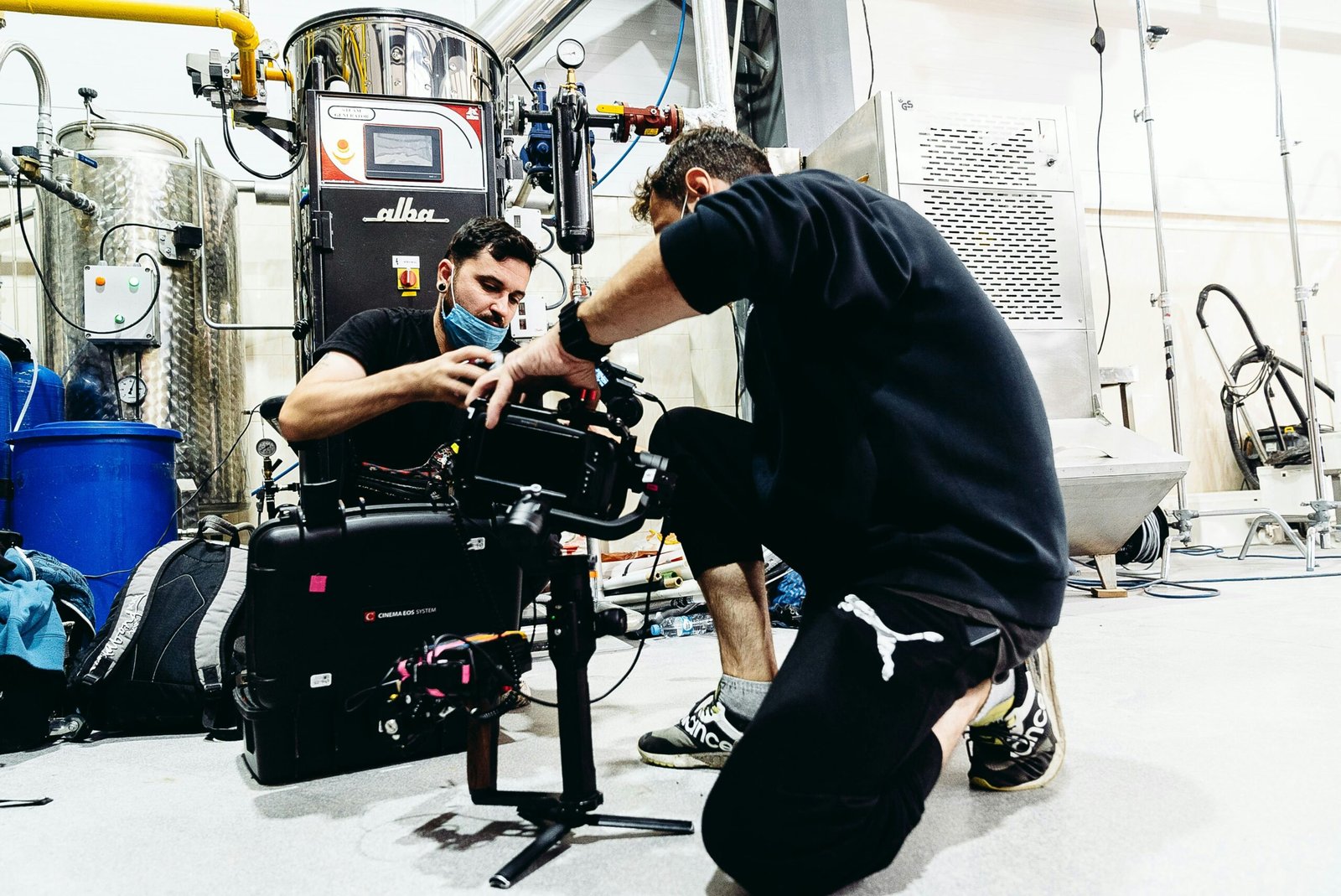
In photography and videography, Pro Motion may describe high-frame-rate recording, motion stabilization, and real-time image processing. Consequently, motion-heavy scenes retain more detail.
Why it matters:
High frame rates allow slow-motion effects. At the same time, stabilization reduces shake and blur, which results in more professional-looking footage.
Practical benefits:
- Better sports and action videos
- Smoother video playback
- Improved clarity in moving shots
Pro Motion Technology in Audio-Visual Production
What it is:
In AV production, Pro Motion often refers to low-latency video pipelines, accurate timing, and synchronized multi-camera systems. As a result, live broadcasts run more smoothly.
Why it matters:
Precise synchronization ensures clean transitions, proper lip-sync, and reliable live streaming.
Practical benefits:
- Smooth live events
- Reduced technical issues
- Higher overall production quality
Pro Motion Technology in Hardware and Computing
What it is:
In computing, Pro Motion may involve hardware-level optimization in GPUs, CPUs, or dedicated accelerators. Therefore, complex motion tasks can be processed more efficiently.
Why it matters:
Hardware optimization improves performance while using less power. In addition, it helps manage heat during demanding workloads.
Practical benefits:
- Better gaming performance
- Faster simulations
- More responsive multimedia applications
How to Choose the Right Pro Motion Solution
Assess your goals:
First, decide whether you need Pro Motion for gaming, professional video work, or user interface design.
Check compatibility:
Next, make sure your display, software, and drivers fully support the required motion features.
Balance motion usage:
Furthermore, use motion carefully to enhance clarity without causing fatigue.
Test and refine:
Finally, test with real-world content to adjust refresh rates, animations, and processing settings.
Conclusion
Pro Motion technology covers a wide range of motion-enhancing features across displays, software, cameras, and hardware. Although the implementation varies by industry, the goal remains the same. That is, to deliver smoother visuals, faster responses, and higher-quality motion experiences.
Whether you are a developer, gamer, or content creator, understanding Pro Motion can help you choose better tools and achieve more polished results.
About the Author


1 thought on “What Is Pro Motion Technology?”