
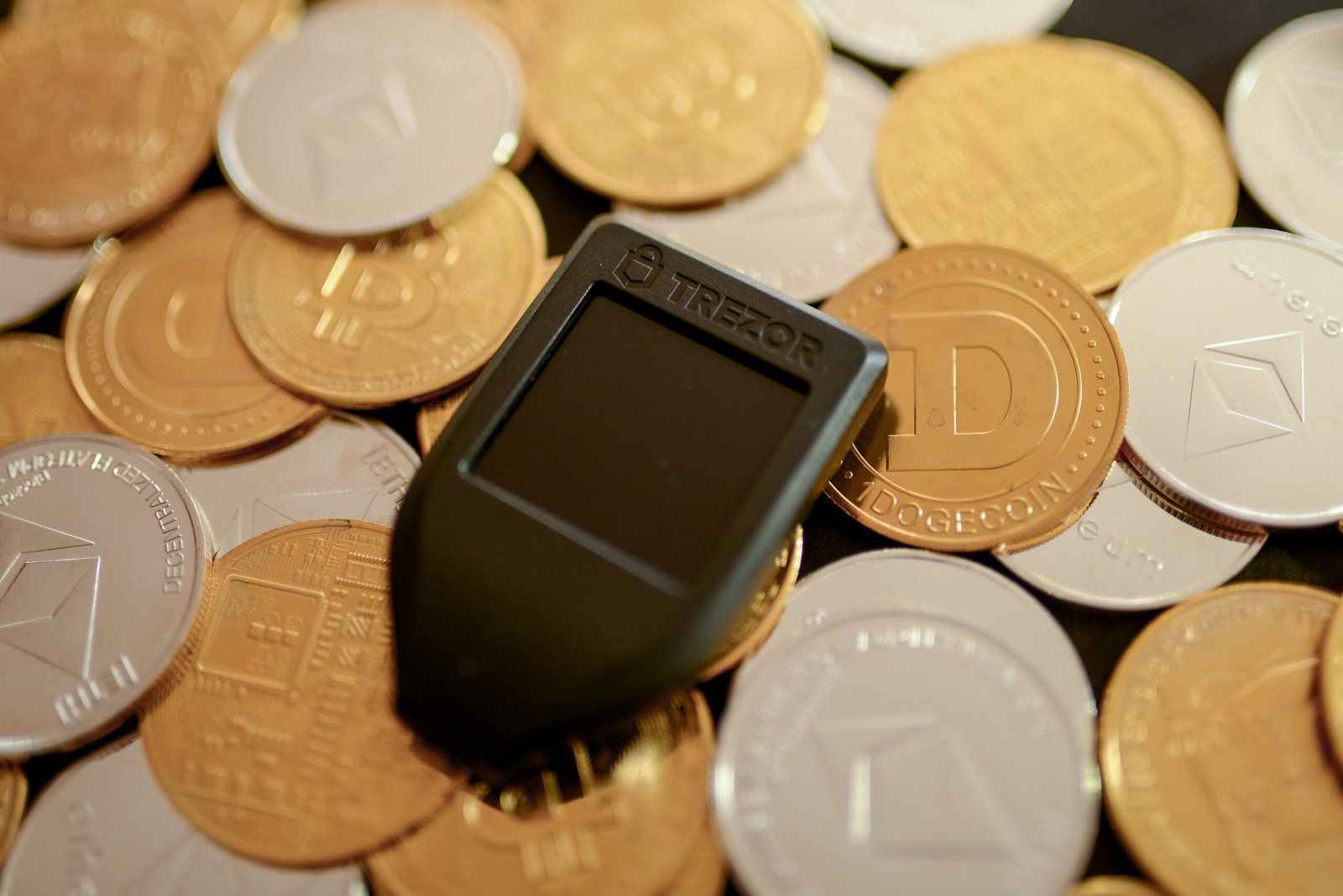
Photo by <a href="https://unsplash.com/@moneyphotos?utm_source=unsplash&utm_medium=referral&utm_content=creditCopyText">rc.xyz NFT gallery</a> on <a href="https://unsplash.com/photos/a-cell-phone-sitting-on-top-of-a-pile-of-coins-s1ZmirFOqOs?utm_source=unsplash&utm_medium=referral&utm_content=creditCopyText">Unsplash</a>
Bitget has grown into a recognizable name in the cryptocurrency exchange space, particularly among derivatives traders. Whether it’s a good fit for you depends on your goals, risk tolerance, and location. This article walks through what Bitget offers, its strengths, drawbacks, and how to decide if it belongs in your trading toolkit.
What Bitget Is At a Glance
Bitget is a crypto exchange that provides a range of products beyond simple spot trading. Its standout feature historically has been derivatives, including perpetual futures, with a user-friendly interface that also appeals to newcomers. In addition to futures, Bitget offers spot trading, sometimes options in certain regions, and copy trading where you can mirror the strategies of experienced traders. The platform emphasizes a global footprint with multiple fiat and crypto pairs, along with standard security measures and KYC/AML compliance.
Why Traders Consider Bitget
- Diverse Product Suite: Bitget covers spot, perpetual contracts, and copy-trading, giving users multiple ways to participate in the market without hopping between multiple platforms.
- User-Friendly Experience: The interface is designed to be approachable for beginners while offering the depth needed by more advanced traders, including charting tools and order types.
- Regulatory and Compliance Push: Bitget has pursued licensing and compliance in several jurisdictions, which can be reassuring for users wary of regulatory risk.
- Security Features: The platform advertises common security practices like two-factor authentication and withdrawal whitelists. However, you should verify current security measures and audit reports before committing funds.
The Trade-Offs: Risks and Limitations
- Derivatives Leverage Risk: Perpetual futures and other leveraged products can amplify gains but also magnify losses. Liquidation risk is real if a trade moves against you, especially in volatile markets.
- Past Incidents and Operational Hiccups: Like many exchanges, Bitget has faced technical issues and security events in the past. It’s essential to review the latest incident history, uptime statistics, and response practices.
- Regional Variability: Availability of products and features can vary by country due to local regulations and licensing. This can affect access to certain products or support.
- Customer Support Variability: User experiences with support can differ, particularly during high-volume periods. Consider this when you might need timely assistance.
Security and Best Practices
- Enable 2FA and Withdrawal Whitelists: Protect accounts with strong second-factor authentication and restrict withdrawals to trusted addresses.
- Use Strong Password Hygiene: Unique, hard-to-guess passwords and, ideally, password managers.
- Limit Exposure with Small Test Trades: If you’re new to Bitget, start with small positions to learn the platform’s execution and risk controls.
- Regularly Review Activity: Monitor login history and security events in your account settings.
- Stay Informed: Follow Bitget’s official channels for firmware and platform updates, and review third-party audits where available.
Fees and Transparency
Trading fees, withdrawal costs, and any tiered discounts can significantly affect profitability, especially for high-frequency traders. Bitget’s fee schedule should be compared against other exchanges you use, taking into account funding, swap rates, and any promotional offers. Always check the latest fee tables on the official site, as structures can change.
Is Bitget Right for You?
If you’re focused on derivatives trading with a desire for an integrated platform that also supports spot trading and copy trading, Bitget can be appealing. For long-term, pure-spot investors, there may be other exchanges with lower fees or simpler interfaces. Consider your jurisdiction, risk appetite, and need for customer support when deciding.
Quick Decision Checklist
- Do you plan to trade derivatives or mainly spot? If derivatives are central, Bitget is worth evaluating.
- Is your region supported, and are the products you want available?
- Are you comfortable with leverage and the associated liquidation risk?
- Can you implement strong personal security practices (2FA, whitelists, hardware storage for keys)?
- Have you compared Bitget’s fees and promotions with a couple of alternatives?
If you share your location, trading focus (spot vs. derivatives), and priorities (fees, security, support, ease of use), I can tailor a more precise verdict or compare Bitget against other popular exchanges.
About the Author






1 thought on “Is bitget a good exchange?”