
Photo by <a href="https://unsplash.com/@jetstreameight?utm_source=unsplash&utm_medium=referral&utm_content=creditCopyText">Jen Titus</a> on <a href="https://unsplash.com/photos/bitcoin-coin-with-gold-bar-and-currency-notes-Am6uICMN9EM?utm_source=unsplash&utm_medium=referral&utm_content=creditCopyText">Unsplash</a>
A Bitcoin hardware wallet is a dedicated physical device that securely stores the private keys needed to access and spend your bitcoins. Unlike software wallets, which run on phones or computers and can be vulnerable to malware, hardware wallets keep private keys offline, reducing the risk of online theft. When you need to sign a transaction, the device confirms the details on its own screen and signs the transaction internally, never exposing the private key to an internet-connected device.
Why Use a Hardware Wallet?
Security is the primary reason to choose a hardware wallet. Private keys are the gatekeepers to your funds; losing control over them can mean losing access to your Bitcoin. Hardware wallets minimize exposure by:
- Keeping keys offline (air-gapped storage)
- Verifying transactions on a small, secure screen
- Requiring physical confirmation to sign a transaction
- Protecting against computer viruses and clipboard hijacking
For anyone holding a meaningful amount of Bitcoin, a hardware wallet adds a crucial layer of protection against hacks, malware, and phishing attempts.
How It Works: The Basics
Most hardware wallets use a recovery seed, typically 12 or 24 words, which can restore access to funds if the device is lost or damaged. The general workflow looks like this:
- Initialize the device and securely write down the recovery seed.
- Create and fund a Bitcoin wallet on the device.
- Connect the device to a computer or smartphone only when you need to manage funds.
- When sending Bitcoin, review the recipient address and amount on the device’s screen, then approve the transaction by pressing buttons.
- The device signs the transaction internally and passes the signed data to the connected software for broadcast.
Popular Hardware Wallets on the Market
- Ledger Nano S Plus / Ledger Nano X: Widely used with strong security features and a broad ecosystem of supported apps and wallets.
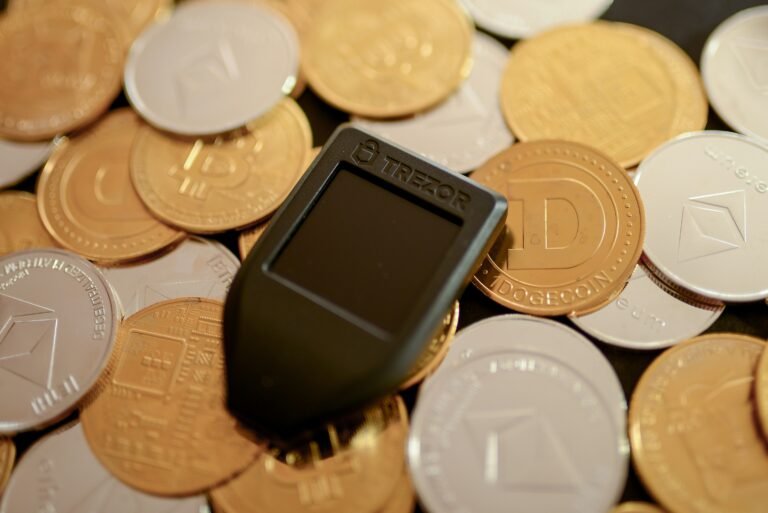
- Trezor Model One / Trezor Model T: Open-source firmware and user-friendly interface; strong emphasis on transparency.
- SafePal S1: Combines hardware security with a mobile-friendly experience and multiple asset support.
- BitBox02: Focused on simplicity, security, and a streamlined setup process.
Each model varies in screen size, Bluetooth support, battery power, and compatibility with different software wallets. Research current models and firmware updates to ensure you choose a device that fits your needs.
Security Features to Look For
- Seed backup and recovery: A secure, human-readable seed is essential; store it offline in a safe place.
- PIN protection: Prevents unauthorized physical access if the device is lost or stolen.
- Two-factor and passphrase options: Some devices support additional layers of security, like a 24-word passphrase.
- Tamper-evident design: Physical protections against tampering attempts.
- Open-source firmware or auditable code: Increases trust by allowing independent review.
- Firmware update process: A trustworthy update mechanism to patch vulnerabilities.
Pros and Cons
Pros
- Enhanced offline security for private keys
- Reduced risk from malware on connected devices
- Clear separation between signing and online broadcasting
Cons
- Requires careful seed storage; loss can mean permanent funds loss
- Less convenient for frequent, rapid trading or small transactions
- Initial cost and a learning curve for newcomers
Best Practices for Bitcoin Hardware Wallets
- Create your recovery seed in a secure, offline environment and store it physically in multiple locations.
- Never reveal your seed phrase or private keys to anyone or any software you don’t trust.
- Verify addresses on the device screen before confirming any transaction.
- Regularly update firmware from official sources, but avoid updates if you do not understand the changes.
- Consider a fireproof, waterproof safe for your seed backups.
Is a Hardware Wallet Right for You?
If you hold a significant amount of Bitcoin or value long-term storage, a hardware wallet is typically the prudent choice. For beginners with only a small balance or frequent trading needs, a software wallet with strong security practices can suffice, but always be mindful of malware risks and phishing attempts. Ultimately, a hardware wallet offers a robust defense in depth, combining practical usability with serious protection for your digital wealth.
About the Author






2 thoughts on “What Is a Bitcoin Hardware Wallet?”